Celebration · Culture · Spirituality
Bhutan Festival
Tshechu Tours
4+Major Tshechus
Sep–MarFestival Season
CulturalExperience
2–10 DaysDuration
Festival dates follow Bhutan's lunar calendar and are different every year. The Department of Tourism publishes the official list annually — we use these dates to plan your trip around the festivals that matter most to you.
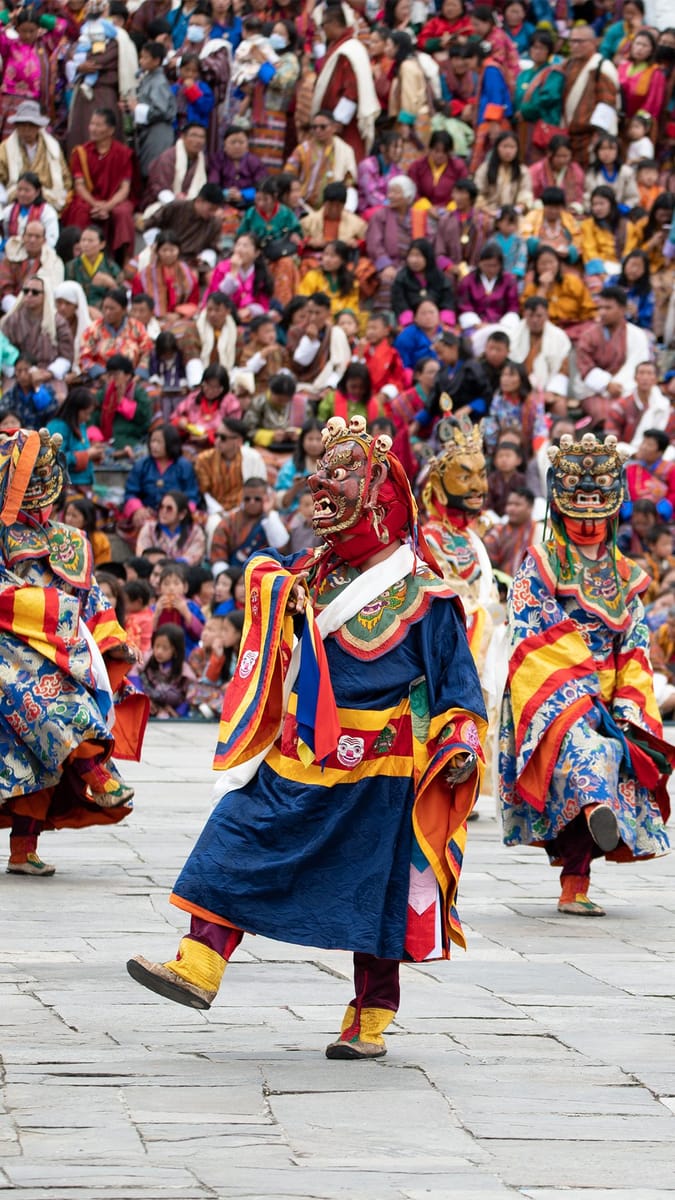
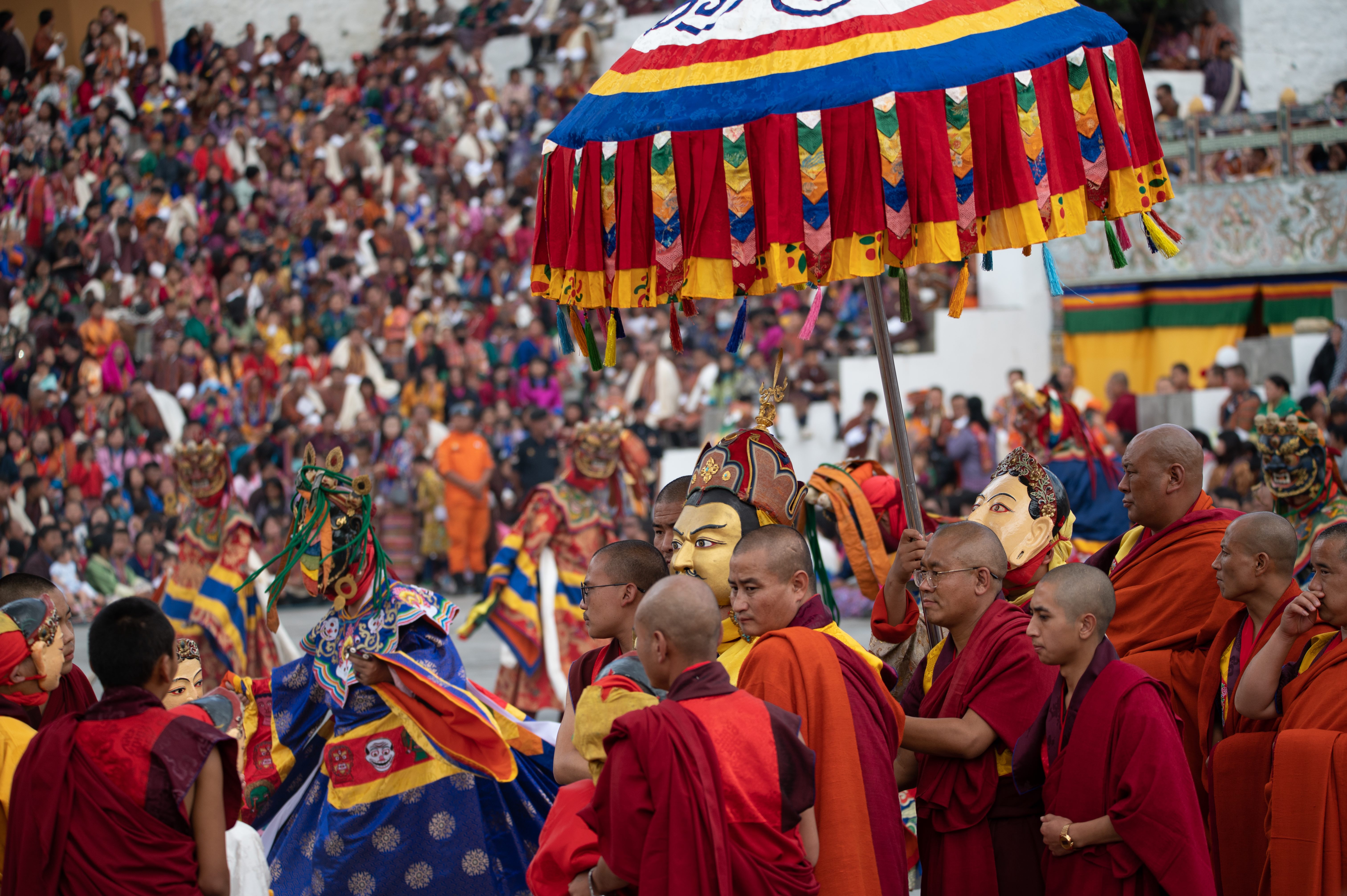
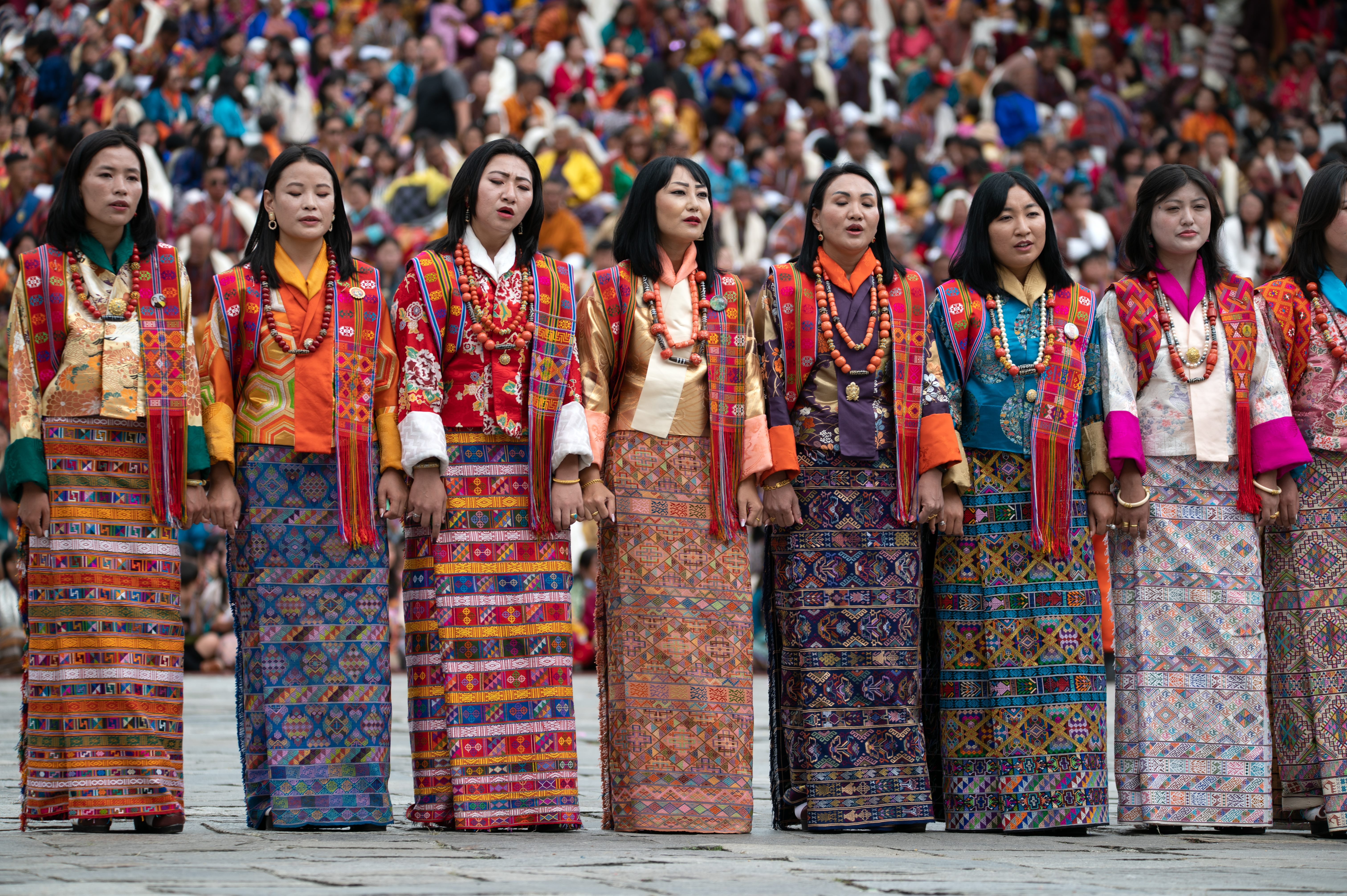
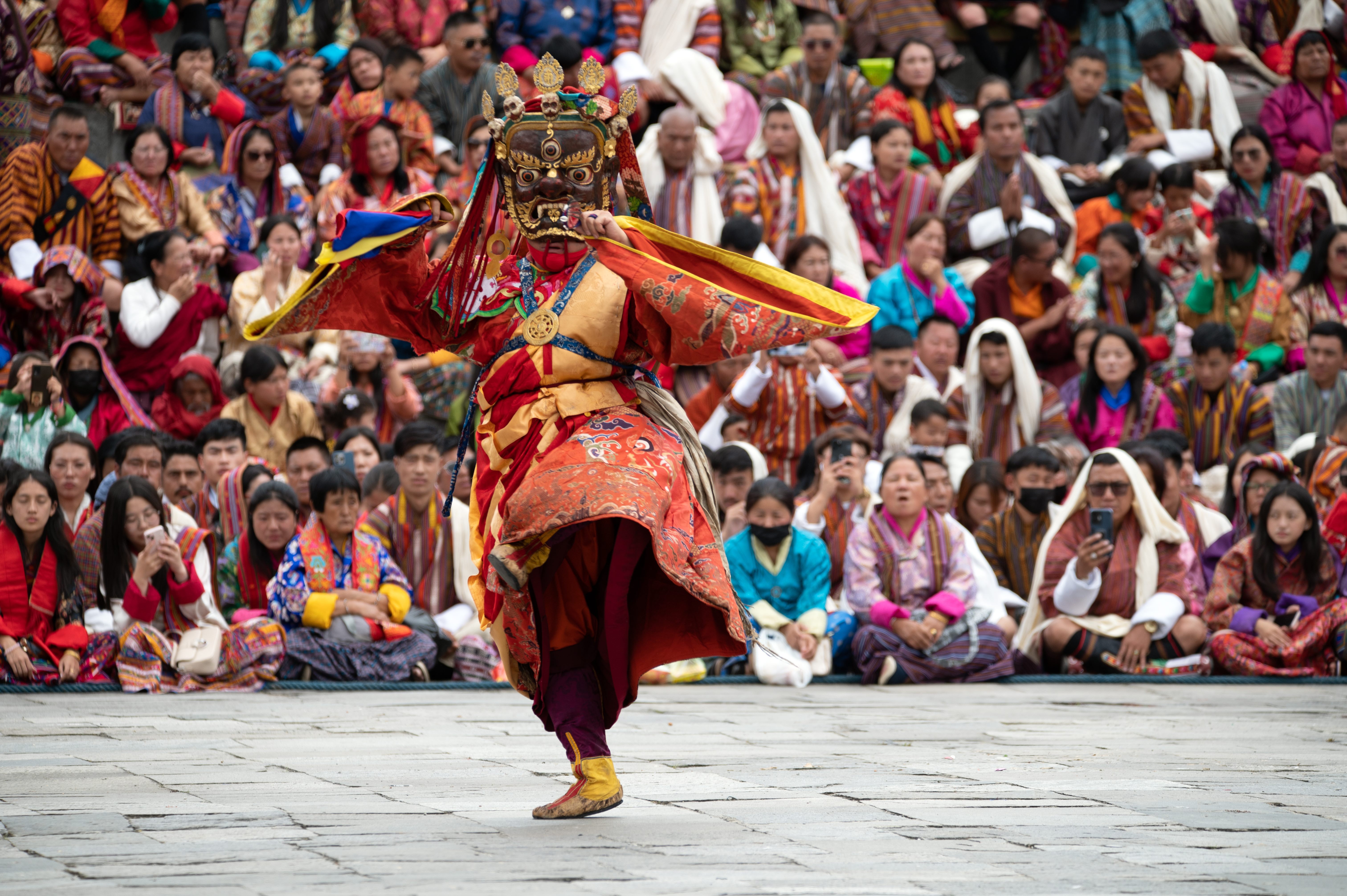
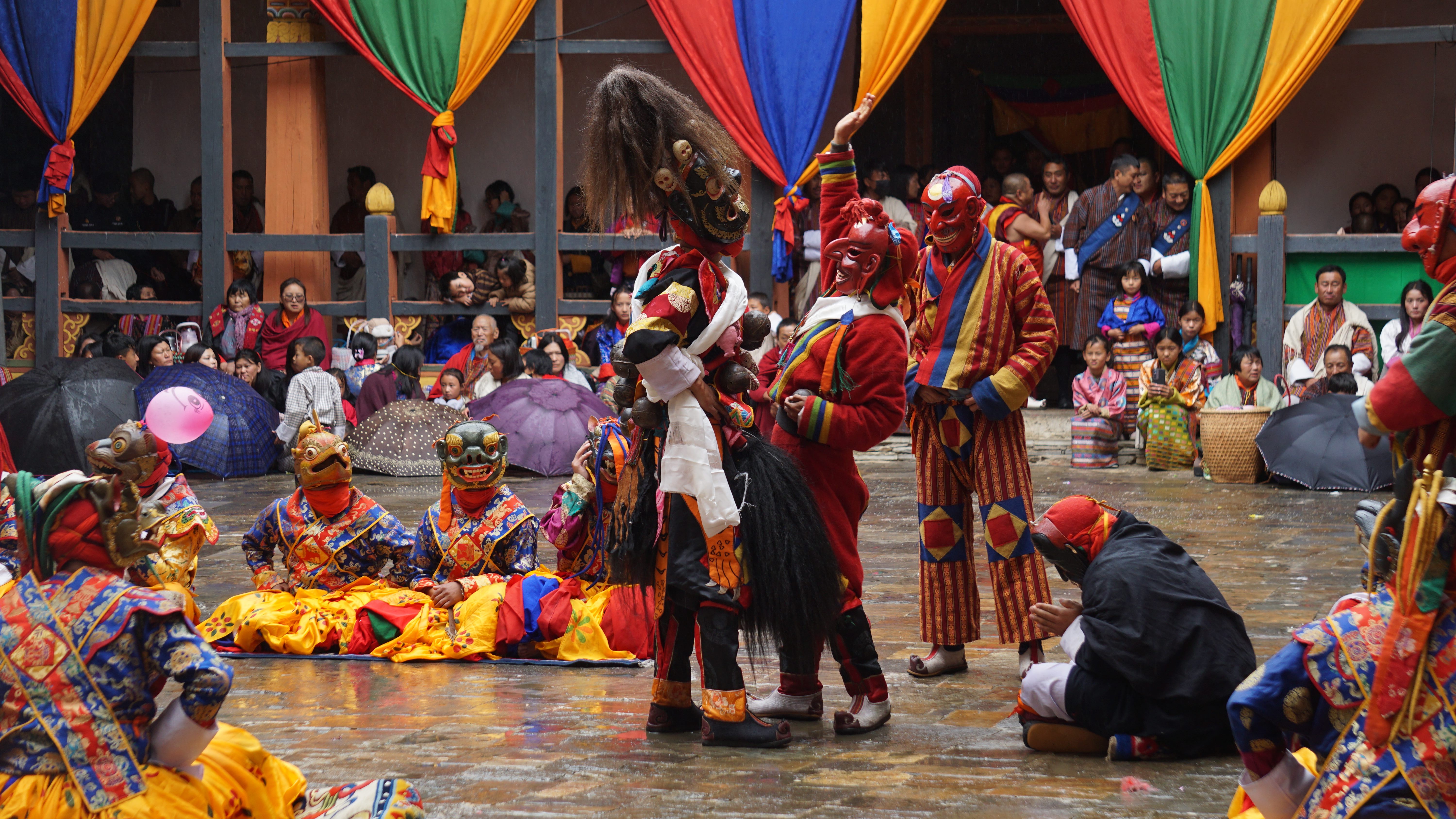
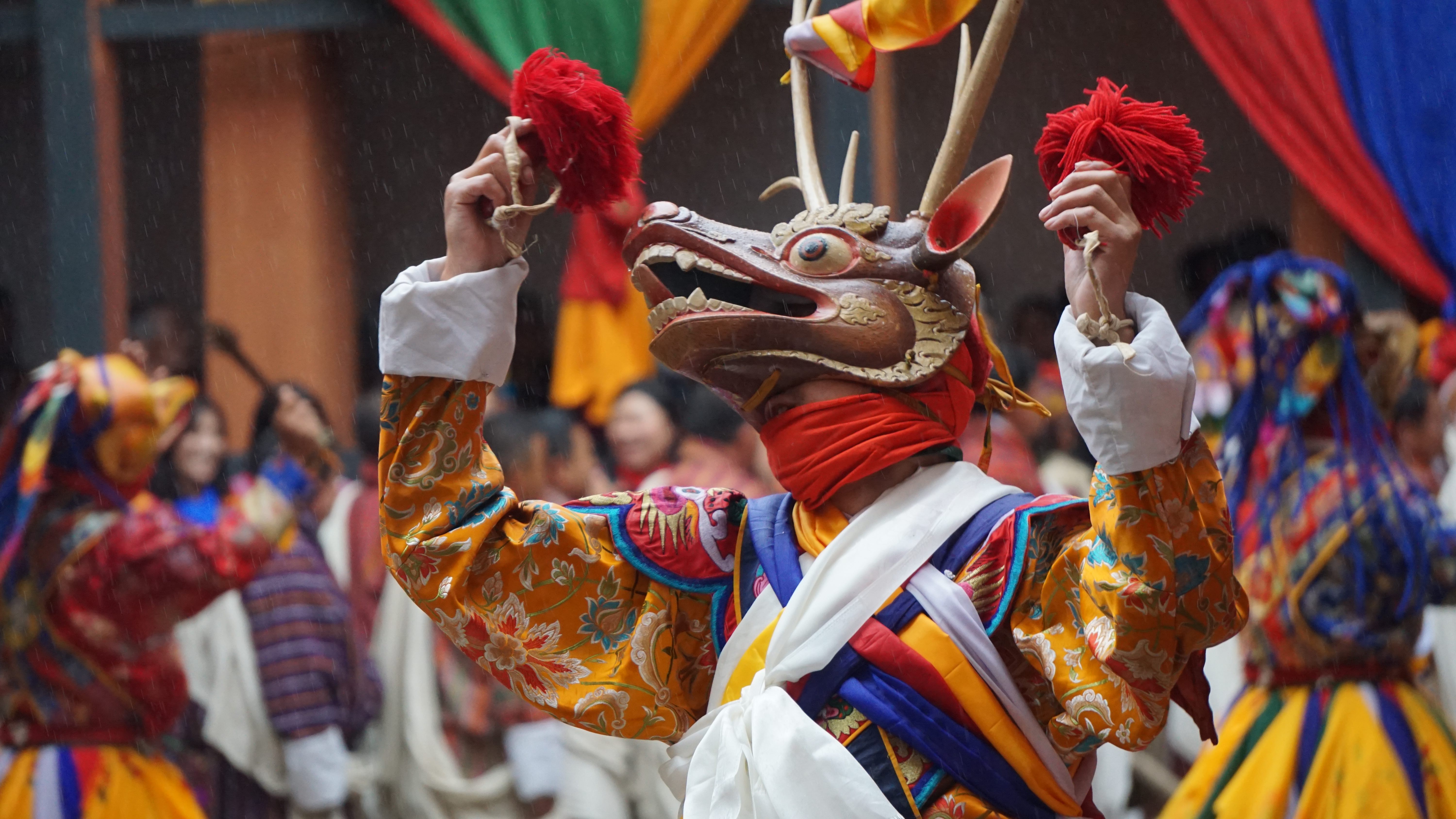
Bhutan's Tshechu festivals are not performances for tourists. They are sacred religious events held in the same way for centuries — masked Cham dances performed by trained monks, ancient thangka tapestries unveiled at dawn, and thousands of Bhutanese gathered in their finest silk robes.
Being present at a Tshechu is one of the most powerful cultural experiences available to a traveller anywhere in the world.
These festivals have been performed without interruption for 400+ years. Nothing is staged for visitors.
You're not watching a show — you're sitting among Bhutanese families celebrating their faith together.
Bhutan's limited tourism means festivals are never overcrowded. You can be close to the action.
Each Tshechu has its own character — different dances, different thangkas, different settings. We time your trip around the one that fits you best.
The largest Tshechu in Bhutan, held at Tashichho Dzong in the capital. Three days of Cham dances culminate in the unfurling of the giant Thongdrel thangka at dawn.
The most famous Tshechu, held at Rinpung Dzong. Five days of sacred dance. The sunrise Thongdrel unveiling draws thousands of Bhutanese from across the country.
A unique festival commemorating a 17th-century victory. Held at the majestic Punakha Dzong, with dramatic mock battle re-enactments alongside Cham dances.
A quieter, more intimate Tshechu in the ancient Bumthang valley. You can get very close to the dancers in the monastery courtyard.
Spectacular views, fewer tourists. Held at Wangdue Phodrang Dzong overlooking the Mo Chhu river valley — one of the most scenic festival settings in Bhutan.
The most intimate of all — almost no tourists, deeply local atmosphere. Combine with birding in the remote Haa valley for a truly exceptional itinerary.
Exact dates change each year based on the Bhutanese lunar calendar. Contact us with your preferred travel window and we'll match you with the right festival.
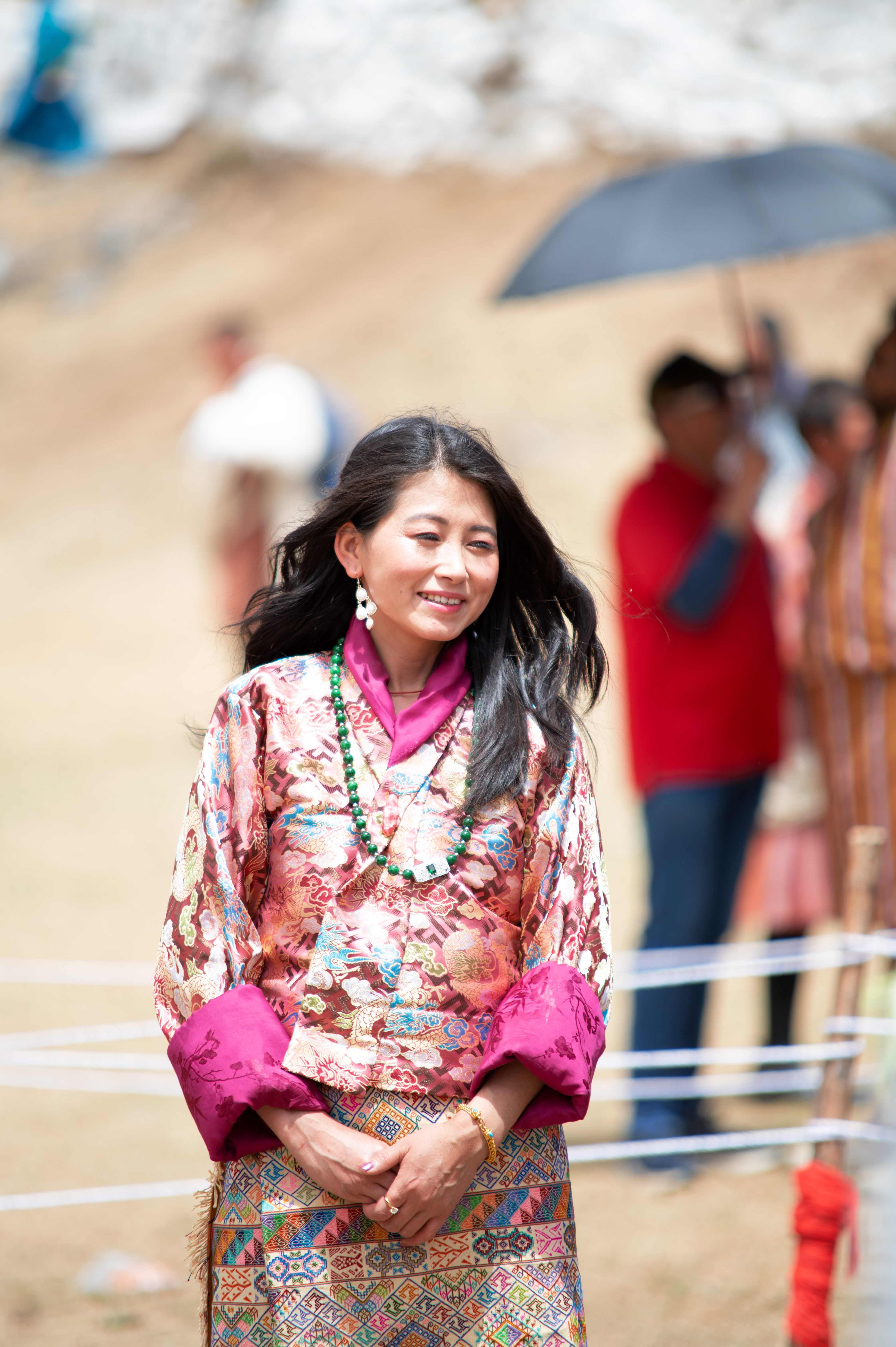
Real photos from Thimphu, Paro and Jakar Tshechus.
Tell us your travel dates and we'll match you with the right Tshechu and build your itinerary around it.
Get In Touch