Tipping is not mandatory in Bhutan. Nobody will chase you out of the country if you do not tip. But it is expected in the tourism industry — and understanding the culture around it will help you handle it comfortably and fairly.
I am writing this as a guide who has been on the receiving end of tips for years. I want to give you the honest picture.
Why Tipping Matters Here
Bhutan's tourism operates on a package system. The daily rate you pay covers almost everything — accommodation, meals, a guide, a driver, monuments. What it does not always cover well is the people behind the service.
Guides and drivers in Bhutan work long days. They are away from their families for extended periods. They manage every detail of your experience — logistics, emergencies, cultural interpretation, photography, emotional support when the altitude gets to you. A tip at the end of a tour is the clearest signal that their work was valued. For many, it is also a significant part of their monthly income.
Here is something most visitors do not know: the majority of people working in Bhutan's tourism industry work for only around six months of the year at most. Tourism is seasonal — the busy months are spring and autumn, and the off-season brings little to no work. That means guides and drivers have to stretch their earnings across an entire year from roughly half a year of income.
The DSA (Daily Service Allowance) that travel agents pay their guides and drivers covers the cost of being on the road — accommodation, food, and daily expenses during the tour itself. By the time those costs are covered, there is often very little left over. Whatever you tip goes directly into their savings — money they will live on during the quiet months when there are no tourists, no income and bills that still need to be paid. A tip is not just appreciation. For many, it is a lifeline.
Who to Tip and How Much
| Person | Suggested Amount | Notes |
|---|---|---|
| Tour Guide | USD 10–20 per day | The most important tip. Adjust based on the length of the tour and your experience. |
| Driver | USD 6–10 per day | Often overlooked but equally important. A good driver makes a significant difference to your safety and comfort. |
| Hotel Staff | At your discretion | For housekeeping and porters who handle your luggage. Leave it in the room, hand it directly, or use the tipping box at reception if the hotel has one. |
| Trek Camp Crew | USD 5–8 per day (total, shared) | Cooks, horsemen and camp assistants work incredibly hard on multi-day treks. Share the total among them. |
| Farmhouse and Homestay Hosts | Nu 500–1,000 per night | These families open their homes to you, cook for you and often stay up late to make sure you are comfortable. A tip here is deeply meaningful and directly supports rural families. |
| Restaurant Staff | 10% of bill if not included | Some restaurants include a service charge. If not, a tip is appreciated but not obligatory. |
These are guidelines, not rules. A shorter trip or a more basic level of service calls for the lower end. An exceptional guide who went above and beyond — taught you things, made you laugh, genuinely enriched your experience — deserves the higher end and more.
When to Tip
Guide and driver: At the end of your tour, on your last day together. Do it privately — hand the envelope or cash directly to them, not in front of a crowd. A simple "thank you, this is for you" is enough. No ceremony needed.
Hotel staff: At checkout or leave it in the room at the end of your stay. In some hotels a general tip box exists at reception.
Trek crew: On the final morning of the trek, before you part ways. Your guide can help you distribute it appropriately if you are unsure who did what.
What Currency to Tip In
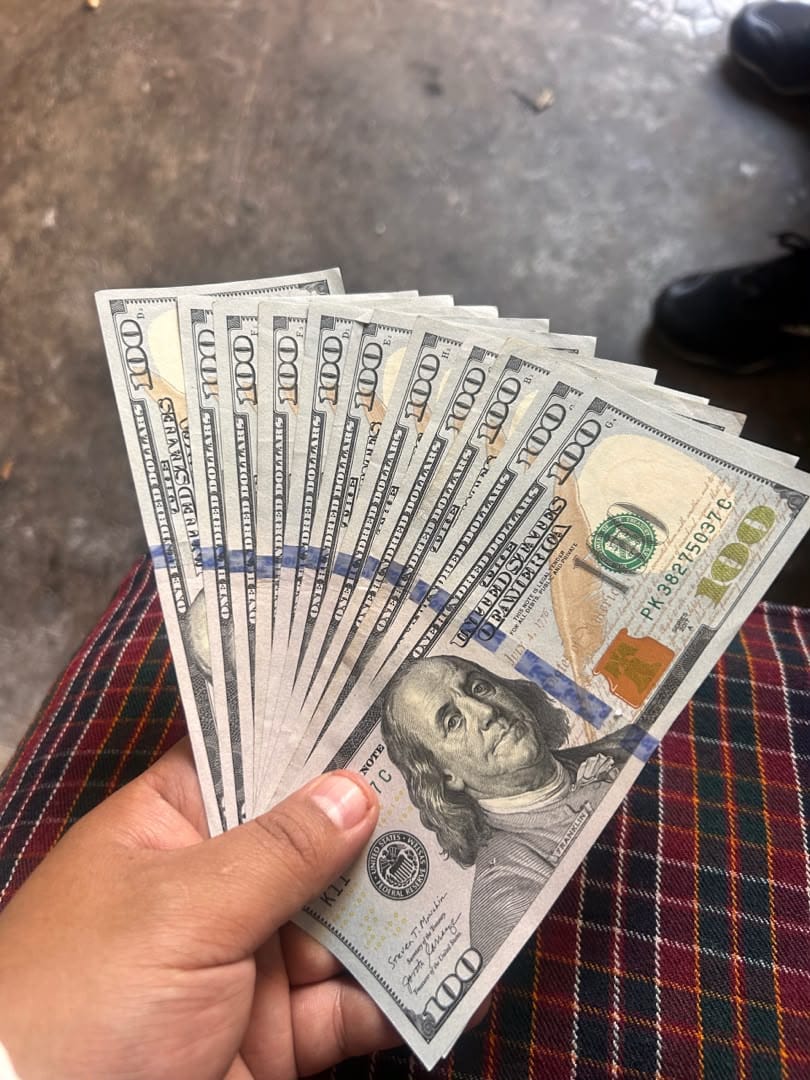
US Dollars, British Pounds and Euros are the preferred currencies for tipping — they are easy to hold onto, exchange and use. Guides and drivers who receive tips in these currencies have much more flexibility with them than with local Ngultrum.
Bhutanese Ngultrum is of course accepted, but if you have the option, foreign currency is genuinely more useful. Avoid tipping in coins or currencies that are difficult to exchange in Bhutan — some currencies simply cannot be converted here at all.
In Bhutanese culture, giving and receiving is done with both hands, or with the right hand supported by the left at the wrist. It is a small gesture but it signals respect. You do not have to do it, but if you want to tip in a way that feels culturally appropriate, that is how.
What If You Cannot Afford to Tip?
Be honest about it. A sincere thank you, a positive review online, and a recommendation to friends who are planning to visit Bhutan are all genuinely valuable to a guide building a reputation. A written note of appreciation means more than you might think.
If you have been trekking and have gear you no longer need — a good pair of hiking boots, trekking poles, a warm jacket, gloves, a sleeping bag liner — consider leaving it with your trek crew or guide rather than carrying it home. Quality trekking equipment is expensive in Bhutan and difficult to source. What you no longer need could be exactly what someone on your team has been saving up for. It is one of the most practical and appreciated non-cash gifts you can give.
But if you can afford the tip — and if your guide made your trip what it was — please give it. The people who show you Bhutan pour real effort into your experience. That deserves to be acknowledged.