
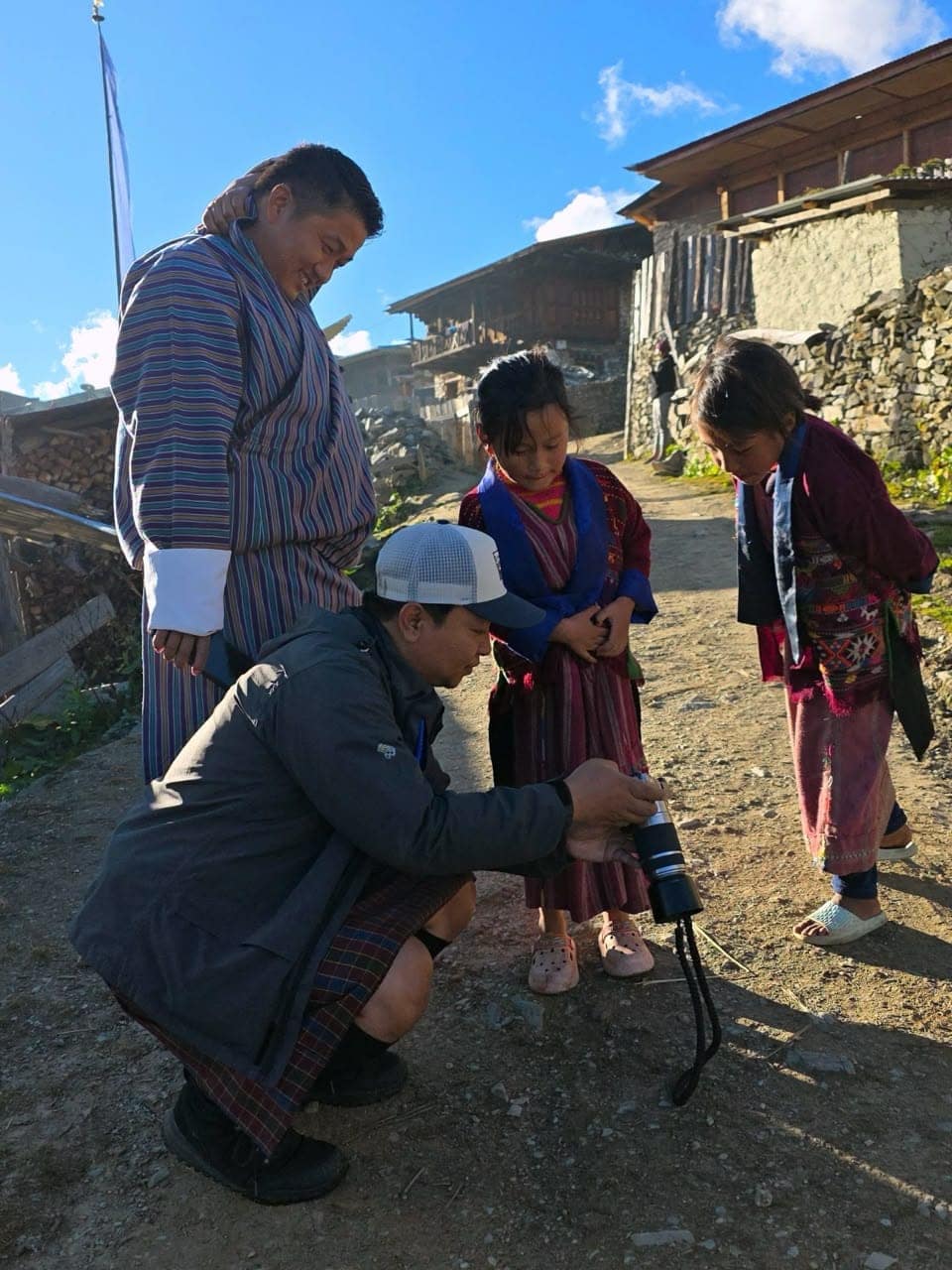

Tourism is one of Bhutan's most important sources of revenue, so the Department of Tourism takes it seriously. Only registered and certified tour guides are allowed to work for tour companies.
Training
Bhutanese tour guides are well-trained and experienced professionals. If you want to pursue a career as a tour guide, you must first obtain training. This includes learning how to handle guests from the time they arrive at the airport until they depart, as well as managing tours.
Guides also study Bhutanese history, iconography, and other related subjects. First-aid training is included so they can assist guests during emergencies — visitor safety comes first. To ensure guests receive high-quality professional assistance, every guide must complete a training course.
Examination
The examination is organised by the Department of Tourism and the Ministry of Labour and Human Resources after the training. All trainees must complete both practical and viva examinations. You will be declared unsuccessful if you fail any of the exams. The examinations can be challenging.
After passing the exams, the Department of Tourism issues a certificate, allowing you to obtain your cultural tour guide licence. That is how you become a Bhutanese guide.
This is only the tip of the iceberg. There are nearly 300 travel agents and 4,000 guides in Bhutan, so guides must specialise to work with reputable travel agencies and effectively serve different types of visitors.
Specialisation
Many guides attend German, Japanese, Thai, and other language classes to improve their ability to communicate with tourists, and they are all fluent in English. Some guides enjoy adventure, so they pursue trekking guide training — however, in order to obtain a trekking guide licence, you must first obtain a cultural guide licence. Some people enjoy birding so much that they enrol in birding courses. Some people interested in flora and fauna pursue nature guide training.
Drug Testing
All guides must undergo a drug test in order to renew their licence. As per the Code of Conduct for tourist guides in the Tourism Rules and Regulation 2017: "A guide shall, at no given time, be under the influence of alcohol or narcotics, cigarettes or any other banned substances."
Tourist guides in the country must go through a mandatory drug test. A person undergoing the test will be required to provide a urine sample. The test detects 10 different types of drugs and results are shown within three to five minutes.
"The reason why we are selecting tourist guides is that they are the ambassador of the tourism industry, they are the face of the tourism sector and it's very important that they are free of drugs and that they provide a high standard of services to our tourists."
— Karma Tenzin, Tourism Officer, Quality Assurance Division, Department of Tourism